 Português (PT)
 English (EN)
 Español (ES)

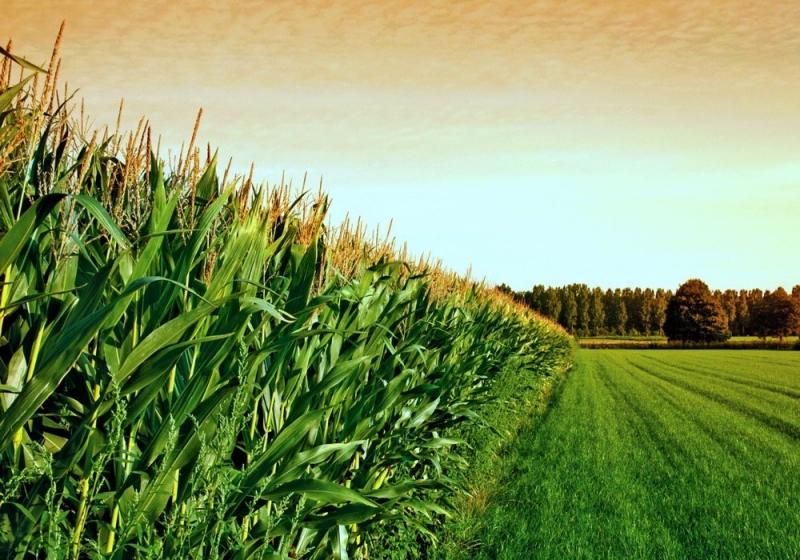
A research project developed by the Center for Research in Applied Genomics to Climate Change (GCCRC) has created a technology capable of identifying corn plants that are more tolerant to drought with more than 90% accuracy in some scenarios.
The solution combines drones, multispectral sensors, and artificial intelligence to analyze plant performance without relying exclusively on manual measurements. In practice, this makes it possible to evaluate a much larger number of materials in less time, expanding the scale of field analysis.
In the study, researchers evaluated 28 corn hybrids grown in Campinas, in the state of São Paulo, under both irrigated and water-stressed conditions. Over two years, they carried out traditional agronomic measurements and drone flights to capture images at different stages of crop development.
Based on those images, the algorithms were trained to reproduce the classification made by conventional methods. The results showed that, in some cases, the models were able to distinguish with high precision which materials were more tolerant or more susceptible to water stress.
According to the researchers, the methodology may help speed up breeding programs and support the development of more climate-resilient cultivars. The study also indicates that multispectral sensors perform better than conventional RGB cameras in identifying signs of water stress.
No comment. Be the first to comment!