 Português (PT)
 English (EN)
 Español (ES)

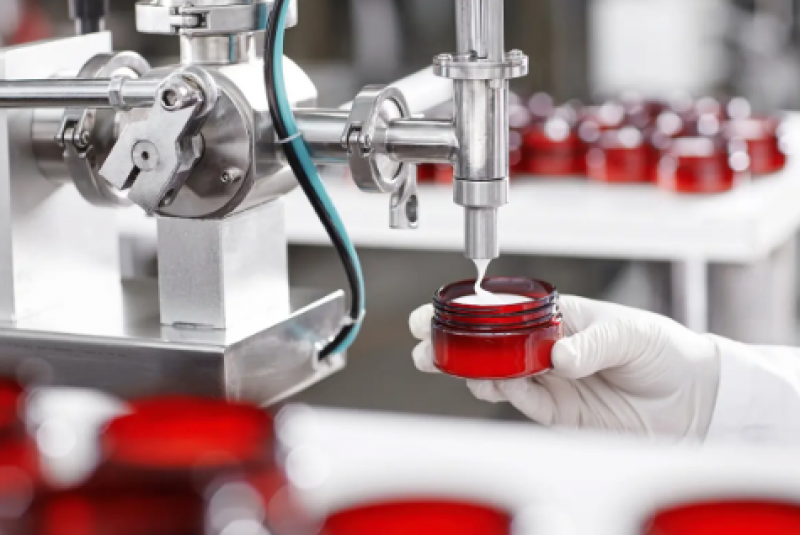
The cosmetics industry operates in a highly competitive environment, where speed, quality, and adaptability make a real difference. Companies that want to grow need more than good products: they need structured processes, reliable data, and the ability to respond quickly to market demands. In this context, technology becomes a strategic enabler rather than just a support tool.
A market that demands agility
Cosmetics is a sector driven by constant innovation. New formulas, packaging, product lines, and sales channels appear all the time, which puts pressure on companies to operate with flexibility and precision. When processes rely on manual controls or disconnected systems, the risks of delays, errors, and waste increase significantly.
Speed also matters in decision-making. Companies that can monitor stock, production, sales, and performance in real time are better prepared to react to changes. Technology helps turn operational complexity into a competitive advantage.
Main operational challenges
One of the biggest challenges in this industry is formula and batch control. Any failure in this area can affect product quality, compliance, and brand reputation. Inventory management is another critical point, especially when the company handles multiple raw materials, packaging types, and finished goods.
Another common issue is the lack of integration between commercial, fiscal, warehouse, and production areas. When departments work with separate information, visibility decreases and rework becomes more likely. This impacts costs, deadlines, and the company’s ability to scale.
Where technology makes the difference
Integrated systems connect the main stages of the operation into a single flow of information. This gives the company better visibility and supports faster, more accurate decisions. A well-structured ERP, for example, helps organize inventory, production orders, costs, and tax operations.
Automation also reduces operational failures and improves data consistency. This is especially important in sectors that depend on traceability, quality standards, and regulatory requirements. When information flows properly across departments, efficiency increases and risk decreases.
Practical benefits for the business
Among the main benefits of technology in cosmetics manufacturing are fewer errors, better resource use, and higher productivity. With more organized processes, the company can produce more predictably and respond better to market demand. This also helps improve margins and reduce unnecessary losses.
Compliance is another key advantage. In a regulated and quality-sensitive industry, having reliable data and traceable processes is essential. Technology strengthens control and allows the company to grow more safely.
Growing with structure
Scaling in the cosmetics industry is not only about selling more. It is about supporting growth with a solid operation, reliable information, and integrated processes. Companies that invest in technology are able to combine expansion with control, which is essential in a fast-moving market.
In practice, this means turning data into decisions, processes into efficiency, and structure into competitive advantage. For cosmetics manufacturers, technology is not just modernization, it is the foundation for sustainable growth.
No comment. Be the first to comment!