 Português (PT)
 English (EN)
 Español (ES)
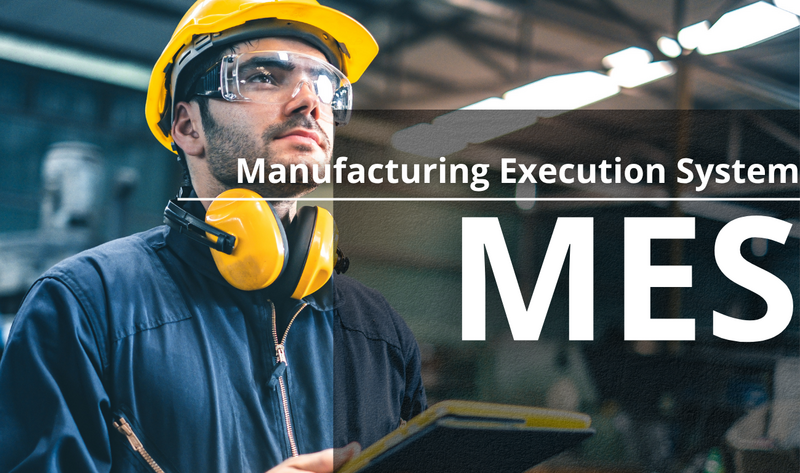
The combination of Artificial Intelligence, edge processing, and industrial data platforms is already a reality, cutting downtime, process variability, and response time on the shop floor—while boosting productivity and quality with end-to-end governance.
Leading companies are expanding AI in manufacturing and supply chain for predictive maintenance, quality inspection, and line optimization, reporting consistent efficiency gains and data-driven decisions.
What changes with AI on the shop floor
-
Predictive maintenance: models learn vibration, temperature, and current patterns to anticipate failures and schedule interventions without unplanned stops, reducing MTTR and raising availability.
-
Quality with computer vision: cameras and AI on the line detect defects and divert parts in milliseconds, avoiding rework and scrap without interrupting the flow.
Why Edge Computing powers fast response
-
Low latency and resilience: processing data where it’s generated enables real-time control—even with intermittent connectivity—ensuring continuity in critical cells.
-
AI at the edge: running models locally on gateways/intelligent PLCs enables instant decisions for safety, quality, and maintenance, cutting traffic and cloud costs.
Industrial data platforms: from collection to trust
-
Unified view: integrating machines, sensors, and systems into a governed data layer standardizes metrics, simplifies analytics, and accelerates model training with high-quality data.
-
Scale beyond pilots: modular architecture and data catalogs help replicate use cases across plants, with versioning, lineage, and MLOps to keep models in production.
Digital twins to decide without stopping the factory
-
Simulation and optimization: digital twins let you test setup, routes, and capacity before applying changes physically, reducing engineering costs and risk.
-
Aligned to the shop floor: when synchronized through sensor and MES data, twins improve decision accuracy for throughput, quality, and energy.
Private connectivity and security by design
-
Industrial private networks improve performance, segmentation, and access control among machines and systems, protecting sensitive production data with low latency.
-
In AI and edge environments, networking and cybersecurity are part of the reliability architecture, requiring policies, monitoring, and continuous incident response.
The real obstacle: maturity, not technology
-
Many initiatives stall at pilot due to lack of integration, governance, and sponsorship; without trusted data, IT and operations speak different languages and ROI doesn’t materialize.
-
Organizations that structure a ROI-prioritized backlog, clear metrics, and defined roles scale AI and edge predictably, turning investment into competitive advantage.
Practical roadmap for 90/180/365 days
-
90 days: maturity assessment, data mapping, an anchor use case (e.g., predictive on a critical asset), and KPI baseline with a minimum viable edge and data architecture.
-
180 days: ERP/MES integration, basic MLOps, data quality policies, and expansion to quality inspection or line balancing in a second cell.
-
365 days: multi-plant replication, a digital twin for the priority process, private networking in critical areas, and continuous security and compliance governance.
Risk of not acting
-
Delaying automation and integration sustains reactive decisions, raises operating costs, and increases vulnerabilities while competitors gain productivity and resilience with real-time data.
-
The inflection point has already happened: the question isn’t if, but when your operation will be ready to run AI, edge, and governed data at industrial scale.
Want a blueprint you can apply to your plant in 90 days? Schedule a maturity assessment and get a ROI-prioritized plan for edge AI, ERP/MES integration, and data governance—with metrics and quick wins validated in production.
No comment. Be the first to comment!